
A supported change of pace, planned around you.
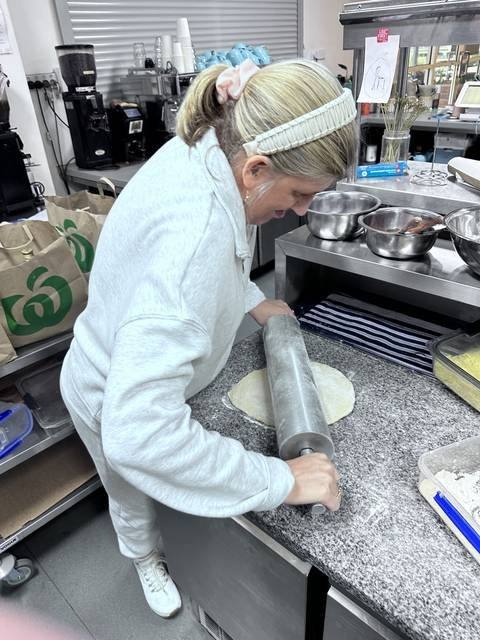
A short stay can offer new experiences and time to build confidence away from familiar routines. We plan each stay around your needs, preferences and support requirements - or, if you’re arranging a stay for someone you care for, around theirs.
Registered NDIS providerCentral Coast, Lake Macquarie & Newcastle
I'm a carer or family member
See how a stay is planned around the person you care for - the place, the days and what we ask before it begins.
I'm a support coordinator
Funding lines, referral process and response times - the facts, in one place, without the marketing.
Caring for someone? There's a page just for families and carers.
Every person needs something different from a short stay
For some people, it is an opportunity to try something new, spend time in a different environment or build confidence away from home. For others, it provides time to enjoy familiar activities with trusted support. We take the time to understand your routines, preferences, communication needs and the things that help you feel safe and comfortable - and the place is matched on four things:
- AccessibilitySet up for how you move.
- LocationNear family, or a change of scene - your call.
- TimingA weekend, a week, school holidays.
- SupportsStaffing matched to your needs, day and night.
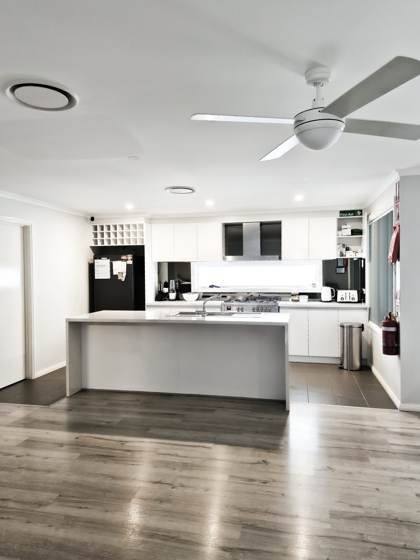
People take something home from a stay
A stay is a rest - and a chance to practise doing things for yourself, with someone nearby. One guest's version of that:


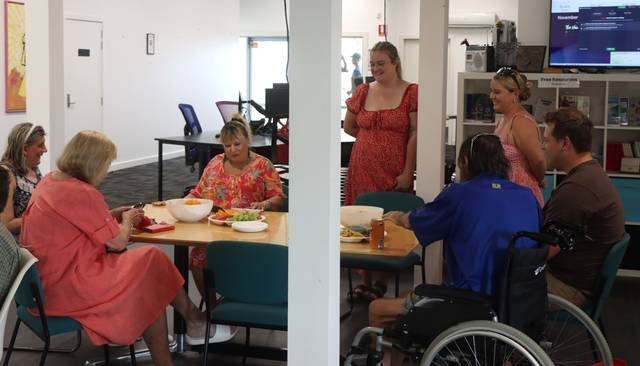
Independence, routines, cooking, confidence - whatever the person wants to build, the stay is planned around it. That's their choice and their control, written into the plan for the stay.
Planning your stay
Tell us what kind of stay you’re considering
Call or send the form below - flexible dates welcome. We reply within one business day.
We talk it through
With you, your family or your support team: your needs, preferred dates, funding and what would help make the stay a positive experience.
Assessment and booking
If the stay appears suitable, we guide you through the assessment and booking process and explain the arrangements, support requirements, funding, personal expenses and what is included.
What might you do during your stay?
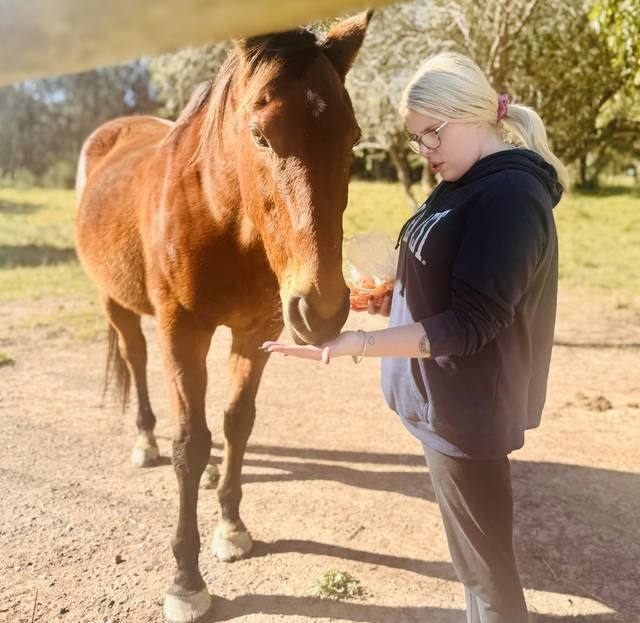

Every stay is different. You might prepare a favourite meal, visit a café, beach or park, go to the movies, attend church or a community activity, spend time on a hobby, practise living skills, try something new - or simply relax. Activities are planned with you, not selected for you. Every photo on this page is a real person we support, shared with their consent.
For support coordinators
Plain answers for referrals. Formal support items below; everything else on this page is written for participants and families.
Short term respite (STR)
Funded from the Core budget - named STA in older plans. Typically up to 28 days per year, taken flexibly - weekends, single weeks or longer blocks.
MTA
Medium term accommodation while a participant waits on a confirmed longer-term housing solution.
How to refer
Call 02 4313 1802 or use the enquiry form. We respond within one business day with availability and next steps. More for referrers.
A stay planned around the person
What we take the time to understand before a stay begins
- Your usual routines
- Communication preferences
- Food and meal requirements
- Medication and health-support needs
- Personal care requirements
- Interests and preferred activities
- Sensory needs
- Cultural or faith considerations
- What helps you feel safe and settled
- What may cause discomfort, stress or anxiety
- The goals or experiences you would like the stay to support
This information helps us plan a stay that feels safe, respectful and genuinely enjoyable.
What your stay may include
Depending on your needs, preferences and funding, your stay may include:
- Support with daily routines
- Meal planning and preparation
- Community activities and outings
- Transport to agreed locations
- Social and recreational activities
- Medication prompting
- Help maintaining familiar routines
- Opportunities to build everyday living skills
- Time to rest and enjoy a change of pace
What families ask us first
Where would the stay actually be?
It depends on the person. We match the place to their accessibility needs, location preference and support needs - one option is Bethel, our accessible home in Wadalba. We'll always tell you exactly where before anything is booked, and you can visit first.
What should we pack?
Clothes, medications in a webster pack or original packaging, and anything that makes the stay feel familiar - a pillow, a device, a favourite mug. We send a simple checklist once dates are confirmed.
Can they keep their routine?
Yes - that's the point of step two. Meals, wake times, activities and supports are planned with the guest before the stay and followed by every staff member on shift.
Is respite the same as short term accommodation (STA)?
Yes. For years the NDIS called funded respite stays short term accommodation, or STA. Since October 2025 its guidelines call them short term respite (STR) - same support, new name, and older plans still show STA. Whichever the plan says, it’s what most people mean by respite care.
How is a stay funded?
Short term respite (STR) - you may know it as STA - comes from the Core budget in an NDIS plan. Funding, personal expenses and what is included are explained before anything is booked. If you’re not sure what’s in the plan, call us - we’ll help you work it out. How pricing works.
How long can a stay be?
Anything from a weekend to a few weeks. STR funding typically allows up to 28 days per year, and many families spread it across several shorter stays.
What's medium term accommodation (MTA)?
MTA is NDIS funding for somewhere to live for up to 90 days when you can't yet move into your long-term home - because it isn't ready, it's being modified, or you're leaving hospital. It covers the accommodation only; food, bills and personal care are funded separately. If MTA is in a plan, ask us about it.
What happens if something goes wrong overnight?
Staff are on site overnight, and families are contacted according to the plan agreed before the stay - you decide what you want to be called about, and when.
Tell us what kind of stay you’re considering
Flexible dates are fine. We reply within one business day - and if you’d rather just talk to a person:
02 4313 1802Office hours Mon–Fri 8–5. Support provided as required.
Registered NDIS provider
Registration no. 4050087183. Audited against the NDIS Practice Standards.