





























What is respite - and what are STA and STR?
Respite is the everyday word: a short, planned stay away from home, with support included, so the person gets a change of scene and their carer gets a genuine break.
For years, NDIS plans called this . In October 2025 the National Disability Insurance Agency (NDIA) renamed it - partly to make plain what the funding is for: rest, and keeping care arrangements sustainable. You'll see both names for a while yet. They mean the same support.
The former NDIS name for a funded respite stay. It bundled accommodation, support workers, meals and activities into one nightly amount. Many plans and providers still use this term.
The current NDIS name for the same support, introduced with the NDIA's guideline of 20 October 2025. Same funding, clearer name: it's for respite.
Respite isn't a favour you're asking for. The NDIS funds it because breaks are part of what keeps a care arrangement sustainable - asking for one is using the plan exactly as intended.
Which part of the plan pays for it?
Respite comes out of the - the flexible, everyday-supports part of a plan - under the category called Assistance with Daily Life.
The part of an NDIS plan that covers everyday supports. It's the most flexible budget, which is why respite can often be funded from it even without a specific line item.
It can appear in a plan two ways: as flexible Core funding, which can often be used for a stay without a dedicated line, or as a - an amount set aside specifically for respite. The plan document (or a support coordinator) will show which.
Funding locked to a specific purpose in the plan. Stated respite funding can only be spent on respite - and other stated funds can't be redirected to it.
One honest note: Core funding has to last the whole plan period, and overnight stays are one of the bigger-ticket items in it. Spreading stays across the year beats discovering in month ten that the budget has run dry.
How much respite can a plan fund?
The NDIA's guideline says it generally funds up to 28 days of respite per year, used flexibly - a block of up to 14 days at a time, several long weekends, or one weekend a month. Whatever pattern suits the person and their family.
- A stay must include at least one overnight.
- Funding is generally at a group price - sharing support with other guests - unless there's evidence the person needs individual support because of their disability.
- The nightly rate bundles accommodation, support, meals and activities together. You don't arrange each piece separately.
More than 28 days moves into different territory - longer arrangements are usually funded as medium term accommodation or instead.
Ongoing support to live in your own home or a shared home - the long-term cousin of respite. Bethel, our home in Wadalba, is a SIL house that also hosts short stays.
The rules: what respite can - and can't - be used for
Since the 2025 guideline, the NDIA has been clear and is checking claims more closely. Respite funding must relate to the person's disability support needs, and its purpose is to give informal supports - family and friends who provide care - a real break. It is not for holidays: claims that look like tourism, such as flights, cruises or theme-park tickets, are being refused.
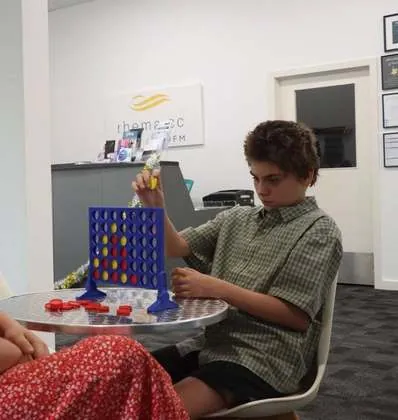
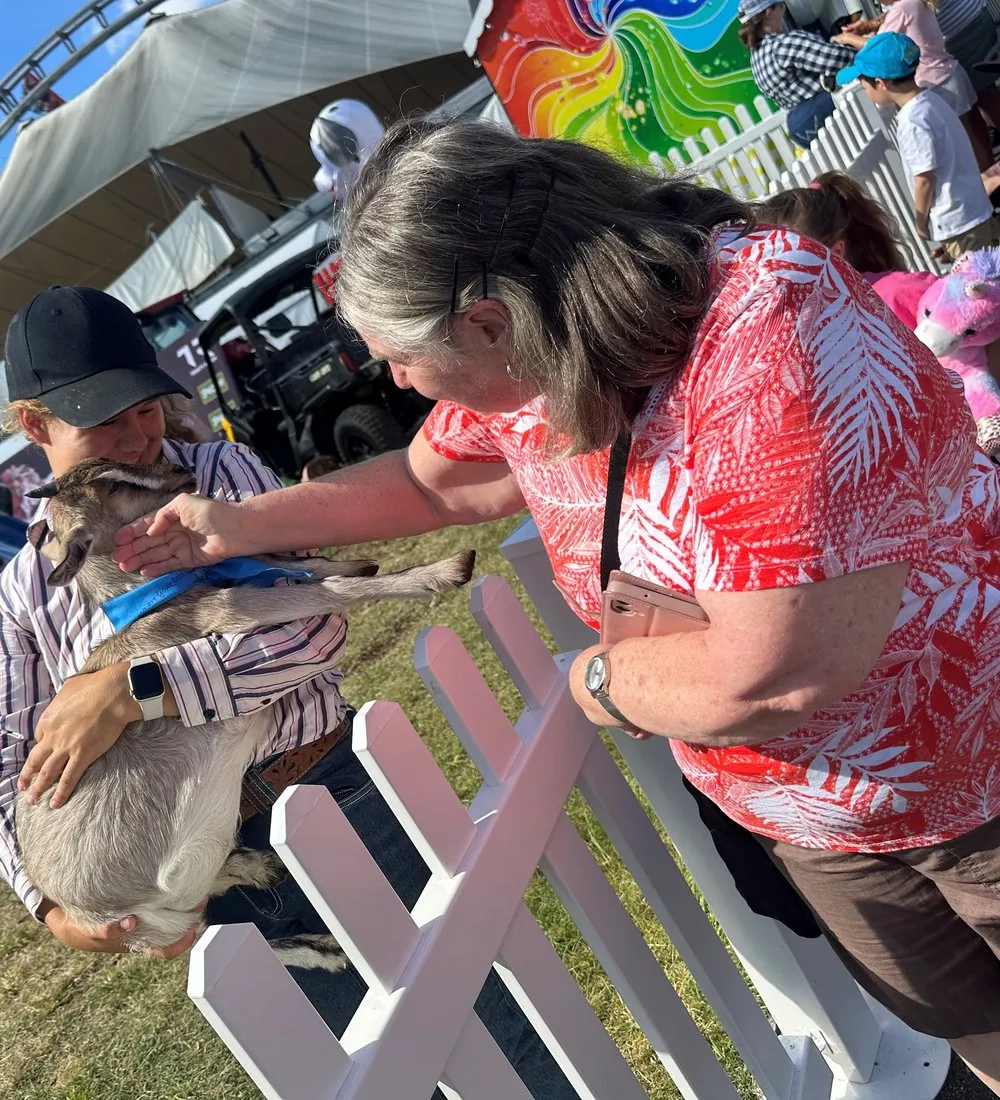
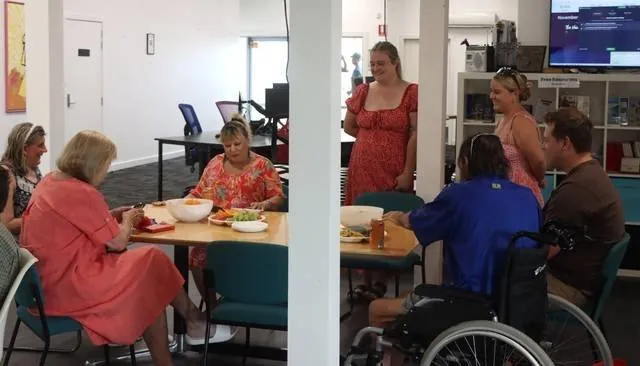
None of that makes a stay joyless. Outings, activities and good food are part of any well-run stay. The difference is the reason for the stay: rest and sustaining care, not travel.
How do you get respite added to a plan?
- Raise it. At a plan meeting or check-in with your My NDIS contact - or ask your support coordinator to raise it for you.
- Bring evidence. For adults, the NDIA generally looks for providing substantial daily care - around six hours a day. You don't have to live with the person you care for.
- Write a carer statement. A short, honest description of the caring role - and what happens without a break - is the single most useful document you can provide.
- Changed circumstances? If the need has grown mid-plan, you can ask the NDIA for a plan change rather than waiting for the next review.
The unpaid care in a person's life - family, friends, neighbours. The NDIS is designed to work alongside informal supports, and respite exists to keep them sustainable.
What should a stay actually include?
- Accommodation, support, meals and activities in one arrangement - one nightly rate, nothing to piece together.
- A plan for the stay written with the person, not just about them - meals, routines, medication, activities, all in their words.
- Updates home as agreed - as much or as little contact as the family chooses.
See what a stay at Bethel looks like
Seven questions worth asking any provider
Ask us these too - a provider worth choosing won't mind a single one of them.
- Can we visit and meet the team before booking?
- Who writes the plan for the stay - and does the person staying help write it?
- Who do staff call if something goes wrong - and how quickly do families hear about it?
- How is medication handled, and who signs off on it?
- What does staffing look like overnight?
- What are the cancellation terms if plans change?
- How will you keep us updated - and can we choose how often?
Respite on the Central Coast
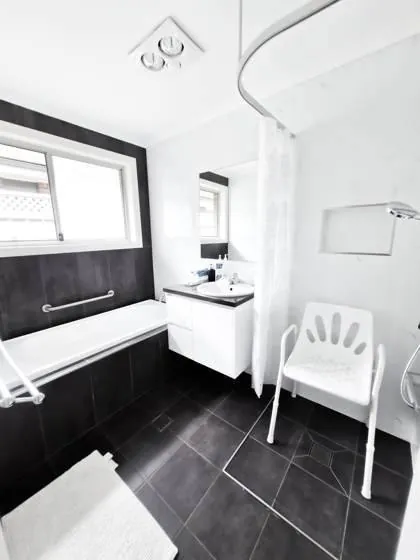
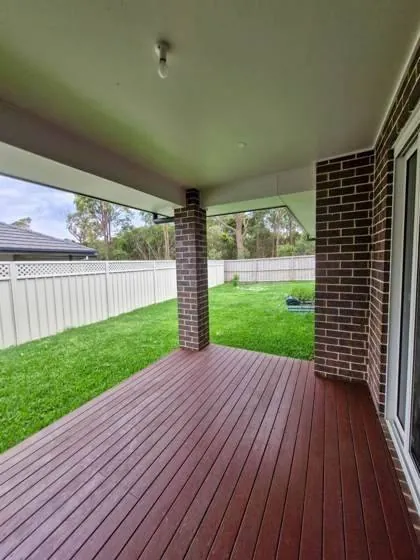
Beyond Disability Support is based in West Gosford, and our respite stays happen at Bethel - a home on a quiet residential street in Wadalba, designed with an occupational therapist. We support people across the Central Coast, Lake Macquarie and Newcastle.
A practical note that's true everywhere, not just here: school-holiday periods are the busiest times for respite, so flexible dates and early planning make booking much easier. If your dates can move, say so - it opens up options.